

Joe Ramos · Santa Barbara County & the Central Coast
Santa Barbara County
Landowner Resources.
Practical references and trusted specialists for the land you own—or are preparing to sell.
Use these Santa Barbara County landowner resources to organize questions about water, access, insurance, permitted uses and the records behind a ranch, vineyard or rural home. Start with the checklists, follow the official references and identify the right specialists for your property.
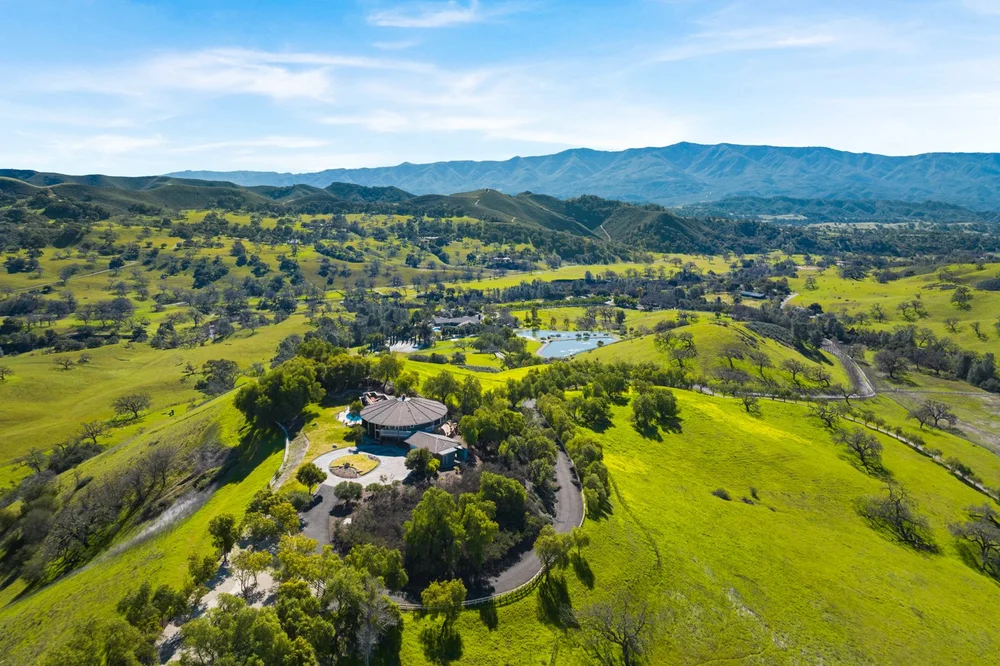 Pictured: Circle K Ranch · Happy Canyon
Santa Ynez · Solvang · Los Olivos
Guides for your next move.
Santa Ynez Valley · Buyer preparation
Buying a home with acreage.
Build the property record first.
A house, a few acres and an attractive setting do not tell the whole ownership story. For a Santa Ynez Valley home with land, start with how you intend to live on and use the property. Then organize the records that help you evaluate that plan.
Guide updated October 28, 2026. Use this sequence alongside the home-buying process and the specialist resources below.
1. Define the use and the parcel.
Write down the features that matter: the residence, a guest unit, horses, a garden, a workshop or an agricultural operation. Separate an existing use from a future idea. Gather the address, assessor parcel numbers and available maps so each question refers to the right land and jurisdiction.
Use the County Assessor’s parcel lookup as a starting reference. An assessor map is prepared for property-tax purposes; it is not a boundary survey or proof that a proposed use is approved.
2. Request the documents together.
Ask for a coordinated property file, with the date and source recorded for each item. A missing document is a question to resolve, not evidence that the feature or right does not exist.
- Title and access: preliminary title materials, recorded easements, road-maintenance agreements and relevant surveys.
- Buildings and uses: permits, plans, final inspection records and approvals for the residence and other improvements.
- Water: source and system records, available well-production tests, water-quality results and shared-system agreements.
- Wastewater and utilities: septic records, inspections, service history and available utility information.
- Operations: leases, occupancy agreements, service contracts and any equipment proposed for inclusion.
3. Assign each question to the right professional.
Have the appropriate title, legal or surveying professional review access and boundary questions. Compare the improvements and intended uses with the applicable planning and building records. Identify the responsible city or County department before relying on a zoning summary.
Water supply, water quality and the legal basis for use are separate questions. A well or pump specialist can help evaluate the system; a qualified laboratory can test water quality. The State Water Board’s private-well guide (PDF) explains maintenance and testing considerations. Use parcel-specific professional review for rights and regulatory questions.
4. Bring the findings back to the decision.
Start the insurance conversation early, describing the actual buildings, occupancy and operations. Compare coverage, conditions and exclusions with a licensed insurance professional. The California residential insurance guide is a useful starting point.
Keep one open-questions list: the issue, supporting document, responsible professional, next action and agreed deadline. Review the findings against your intended use, maintenance responsibilities and transaction timeline before making the next commitment.
Turn a collection of documents into a clear next step.
Joe can coordinate the property record and the appropriate specialist conversations as part of a defined representation or advisory assignment. Specialist conclusions remain with the professionals responsible for them.
Property preparation
Land ownership checklists.
Before you begin.
Discuss your property →Preparing to sell
Prepare the information a serious buyer needs.
View checklist +
- Ownership & objectivesClarify decision-makers, timing, transaction objectives and authority to act.
- Property recordsAssemble maps, title materials, easements, permits, water records and improvement documentation.
- Operations & agreementsOrganize leases, income and expense records, operating contracts and any assets proposed for inclusion.
- Positioning & presentationIdentify the property’s strengths, relevant buyer audience and questions that should be addressed early.
- Process & discretionAgree on access, confidentiality, marketing scope and how inquiries will be qualified.
Buying land
Evaluate the land and the operating context.
View checklist +
- Access & titleReview the preliminary title report, recorded easements, legal access, boundaries and restrictions with the appropriate professionals.
- Water & infrastructureGather supply records, tests, water-quality information, system details and relevant agreements.
- Improvements & intended useCompare existing permits and approvals with the improvements and uses that matter to your objectives.
- Operating assets & obligationsIdentify leases, equipment, inventory, service agreements, occupancy and records relevant to the acquisition.
- Risk & diligenceAddress insurance and specialist review early; define what must be understood before proceeding.
Planning a new use
Establish the questions before funding the concept.
View checklist +
- Jurisdiction & restrictionsIdentify the governing jurisdiction, zoning, contracts, easements and existing approvals.
- Infrastructure & operationsConsider water, wastewater, roads, emergency access, utilities and operating responsibilities.
- Approval pathAsk a qualified local planner to identify required review and agencies; distinguish concept from approval.
- Economics & timingEstimate investigation, permitting, capital and operating needs before committing significant funds.
- Specialist reviewBring the relevant planning, engineering, legal and operating expertise into the decision.
01 / Property research
Insurance
Start the insurance review early. Give the broker an accurate account of the buildings, occupancy, agricultural operations and intended uses. Ask what can be covered, at what cost, and with which exclusions.
Questions to ask
- Which buildings and operations are covered?
- What wildfire, access or maintenance conditions affect the proposal?
- What coverage and cost can be confirmed before a purchase decision?
Finding residential insurance
California Department of Insurance · California
Consumer guidance on seeking residential coverage. Agricultural, commercial and hospitality operations warrant a separate review with a licensed broker.
Open official resource → (opens in a new tab)California FAIR Plan information
California Department of Insurance · California
Official guidance on the FAIR Plan and its coverage limitations. Ask a licensed broker to evaluate the property’s full insurance needs, including agricultural operations and any additional coverage.
Open official resource → (opens in a new tab)02 / Property research
Water & agricultural operations
Gather the water record: well reports, production tests, water-quality results, system information and agreements. Supply, infrastructure and the legal basis for use each need appropriate review.
Questions to ask
- What is documented about supply, quality and seasonal performance?
- Which rights, agreements or basin requirements need review?
- How does available supply relate to existing operations and future objectives?
Water rights information and records
State Water Resources Control Board · California
Official water-rights references, reporting information and access to records. A record search alone does not establish a property’s rights.
Open official resource → (opens in a new tab)Groundwater planning and basin research
California Department of Water Resources · California
Research SGMA, groundwater sustainability agencies and planning resources relevant to a basin. Confirm parcel-specific implications with the appropriate agency and specialists.
Open official resource → (opens in a new tab)Groundwater management responsibilities
State Water Resources Control Board · California
Official SGMA information and resources. Identify the basin and responsible local groundwater agency before assessing requirements for a particular property.
Open official resource → (opens in a new tab)03 / Property research
Land use & potential uses
Begin with jurisdiction, zoning, recorded restrictions and existing approvals. Then test whether access, water, wastewater and other infrastructure can support the proposed use.
Questions to ask
- What is permitted today, and what would require a new approval?
- Do water, access, wastewater and fire requirements support the concept?
- Who should review feasibility before significant expenditure?
Agricultural Enterprise Ordinance
Santa Barbara County · County-specific resource
Official application resources for agricultural enterprises, including farmstays, camping, small-scale events and agricultural processing. Eligibility and permitting depend on the property and proposed use.
Open official resource → (opens in a new tab)Recreation Master Plan
Santa Barbara County · Planning initiative
Follow the County’s plan materials and project information. Confirm the current status of the plan, proposed Recreation Benefit Project program and related amendments before relying on them.
Open official resource → (opens in a new tab)Planning projects and local requirements
Santa Barbara County · County-specific resource
Find County planning projects and department references. Properties elsewhere require the corresponding city or county review.
Open official resource → (opens in a new tab)04 / Property research
Title, records & ownership
Before a sale or acquisition, assemble the title materials, access agreements, improvement records, leases and operating documents. Identify missing information and questions for the responsible specialists.
Questions to ask
- What do the title documents and access agreements establish?
- Which improvements, leases and operating assets are included?
- What information will a buyer, trustee or decision-making team need?
California Important Farmland research
California Department of Conservation · California
Access farmland classifications, maps and the Important Farmland Finder. Mapping is an initial reference; verify information relevant to the parcel.
Open official resource → (opens in a new tab)Organizing the property record
Joe Ramos · Property advisory
Defined support for property records, reports, inspection coordination and preparation for a decision.
Explore advisory →05 / Property research
Conservation & stewardship
Review existing contracts and easements alongside ownership objectives and agricultural operations. A conservation proposal needs a clear account of what would be protected and what uses would remain.
Questions to ask
- What restrictions already apply to the property?
- How would a proposed easement affect operations and future uses?
- Which land trust, legal, tax or valuation specialists should be involved?
Williamson Act program
California Department of Conservation · California
Program information for agricultural and open-space land. Review any actual contract and local requirements; this is distinct from a conservation easement.
Open official resource → (opens in a new tab)Sustainable Agricultural Lands Conservation
California Strategic Growth Council · California
Learn about the SALC program and agricultural conservation. Program availability and eligibility require current review.
Open official resource → (opens in a new tab)06 / Property research
Policy & planning references
Use the original agency materials to follow changes affecting a property. Check the jurisdiction, effective date and adopted text; a proposal or planning concept is not an approval.
Questions to ask
- Is the change proposed, adopted or already effective?
- Which jurisdiction and properties does it apply to?
- Does it affect the timing, cost or feasibility of a decision?
Water-rights notices and regulatory information
State Water Resources Control Board · California
Follow notices and official information through the Division of Water Rights.
Open official resource → (opens in a new tab)Santa Barbara County planning initiatives
Santa Barbara County · County-specific resource
A reference for local planning projects; verify current hearing materials and adopted documents with the County.
Open official resource → (opens in a new tab)Local directory · Santa Barbara County & Santa Ynez Valley
Local property specialists.
Ask Joe for an introduction →The local professionals I turn to for inspections, water systems, engineering, design and property care. Start with the directory, or ask me for an introduction suited to your property. For an assignment beyond Santa Barbara County, we can identify the appropriate local expertise.
14 specialists
Home Inspection
Darrell Clegg
Left Coast Home Inspections
Chimney
Ashley Bramsen
Chief Sweep
Structural
Dennis Lachaine
Lachaine & Associates
Pest
Jared Ingling
Valley Shield
Water Treatment
Mark Dubose
Aquatrex
Electrical
Leo Marmolejo
Marmolejo Electric
Mold, Radon & Asbestos
Judy Wood
Wood Environmental
Design & Planning
Zachary Ulrick
Ulrick Design
Plumbing
Orrin Jensen
Plumbing Werks
Roofing
Darin Gossage
Black Gold Roofing
Septic
Tim Blaylock
Valley Pump & Jetting
Geological
Todd Tranby
Earth Systems
HVAC
Jonathan Gomez
Premier HVAC
Well & Pump
Bobby Alexander
Alexander Pump Service
No matching specialists. Try another search, reset the filters, or ask Joe for an introduction.
Providers are independent professionals. Confirm current contact details, licensing where applicable, insurance, availability, service area and suitability for your assignment.
Coastal Ranch · Kerry Mormann & Associates
Local knowledge.
Coastal Ranch experience.
I live in the Santa Ynez Valley and represent property across Santa Barbara County. Working alongside Kerry Mormann at Coastal Ranch has shaped my approach to significant land: understand the property, assemble the right expertise, and present it with care. That foundation carries into assignments along the Central Coast and beyond.
Explore Coastal Ranch → (opens in a new tab)Listing representation
Preparing a property
for the market?
A well-prepared property is easier for a serious buyer to understand. I can help organize the information, identify questions for specialists, and build a marketing strategy around what makes your land significant.
Explore seller representation