

Santa Ynez · Solvang · Los Olivos
A practical Santa Ynez Valley home seller guide.
This Santa Ynez Valley home seller guide starts before the photographs. Understand the property, decide what deserves attention and build a plan around your next move.
Using this Santa Ynez Valley home seller guide
Begin with your timing and property file, then use the preparation worksheet to decide which tasks deserve attention. Review the launch checklist with your transaction team before photography and marketing begin.
Begin with your timing and the property’s condition
Preparing to sell a home in the Santa Ynez Valley starts before the photographs. Establish what you want the sale to accomplish, how much flexibility you have and which questions about the property need attention.
For a home in Santa Ynez, Solvang or Los Olivos, a useful preparation plan connects the house, the grounds and the ownership record. It also respects the practical demands of living in the home while it is being marketed. The goal is to give buyers a clear, accurate understanding of the property and give you a manageable sequence of decisions.
Decide what the sale needs to make possible
Write down your preferred launch date, desired possession date and any dependencies. You may be purchasing another home, coordinating a move, managing an occupied property or working with other owners or advisers. Identify who needs to approve decisions and which conversations should happen before marketing begins.
Discuss the proposed representation agreement, services, compensation and marketing scope with your agent. Establish who will coordinate vendors and which expenditures require your approval. A written scope makes it easier to distinguish necessary preparation from optional work.
Ask for a preliminary seller net estimate that separates the assumed sale price from mortgage payoff, negotiated compensation, closing costs, possible concessions and preparation expenses. It is a planning estimate, not a promise of proceeds. Direct tax questions to your tax adviser early enough to inform the plan.
Assemble a property file before choosing projects
Create one folder with a short index and a list of missing items. For each document, record its date and source. Keep sensitive financial information separate from materials intended for buyers.
| Category | Useful records to gather |
|---|---|
| Ownership and agreements | Ownership information for the transaction team, relevant title documents, leases and shared-access agreements |
| Improvements | Permits, plans, final inspections, contractor invoices and warranties |
| Maintenance | Roof, heating and cooling, plumbing, electrical, pool and other service history |
| Water and wastewater | Provider details or well and septic records where those systems are present |
| Ongoing obligations | HOA materials, solar agreements, equipment leases and service contracts, if applicable |
| Included items | A draft list of fixtures, appliances and other items to discuss before listing |
Do not assume a visible improvement and a permit record describe the same thing. If there is a discrepancy, identify the appropriate professional or agency and clarify it before writing marketing claims. Within Solvang’s jurisdiction, the City Planning Division explains how to request property documents. For County records, start with the archived permit records reference and confirm the correct jurisdiction for the parcel.
Plan disclosures and inspections with your agent
Discuss known condition issues, past repairs and questions about the property at the beginning. Gather the information needed to complete the applicable disclosures accurately. Do not guess at an answer or assume that selling in its current condition eliminates disclosure responsibilities.
The California Department of Real Estate’s consumer homebuying guidance explains the role of property and agency disclosures. Its current real estate law resources provide a route to statutes and regulations. Which obligations apply depends on the property and transaction. Work with your agent and qualified legal adviser where necessary to identify current requirements; a general guide is not a complete disclosure checklist.
A pre-listing inspection may help identify work and reduce uncertainty, but it is a decision to make for the particular property. Discuss its scope, timing, cost and how findings will be addressed. A buyer may still conduct independent inspections.
Decide what deserves attention
Walk the property with your agent before authorizing a substantial project. For each proposed task, record the problem it solves, estimated cost, completion date and the person responsible. Ask whether the work improves condition, presentation or documentation; and whether it introduces a new permit or scheduling issue.
A practical starting order is:
- Investigate safety concerns and active defects with the appropriate professional.
- Address agreed repairs and retain the supporting records.
- Make rooms, storage and circulation easier to understand through cleaning and organization.
- Tidy exterior areas and show access to the features being represented.
- Consider optional cosmetic changes after reviewing cost, timing and the property’s market position.
A full remodel is not a default requirement for selling. Neither is a specific return on a renovation assured. Evaluate each project against the probable buyer questions, available time and current comparable evidence.
For homes with larger grounds, organize equipment and identify which items are included, excluded or available separately. Do not present an agricultural, guest or commercial use as approved without the supporting review.
Establish pricing from relevant evidence
Review recent comparable sales and current competing properties with your agent. Look beyond a single price-per-square-foot figure. Condition, usable space, lot characteristics, location, improvements and transaction terms can affect how useful a comparison is.
Ask which properties are the strongest comparisons, which require substantial adjustments and what remains uncertain. Separate your desired proceeds from the evidence supporting an asking price. A pricing recommendation is not an appraisal or a guarantee of the final sale price.
Agree on a review process before launch. Decide which signals will prompt a discussion: showing activity, recurring buyer questions, competing inventory, offers and changes in the market. Those signals are more informative together than any one website view count.
Present the home clearly
Photography should help buyers understand the home’s spaces and setting. Prepare the rooms and grounds before the shoot, then check that captions, floor plans, dimensions and feature descriptions are supported. Distinguish approximate measurements from independently verified ones.
Use property-specific facts. Describe a room’s current configuration, an outdoor area’s features and the documented improvements. Avoid unsupported claims about development potential, income, boundaries or permitted occupancy. If a feature needs explanation, provide the relevant record or a clear next step for verification.
Decide what should remain private. Review photography for personal papers, identifying family information and items that should not be included in public marketing. Confirm how showings will work for occupants, pets and access to outbuildings.
Keep insurance and occupancy in the plan
If moving out or changing how the home is occupied before the sale, discuss the change with your insurance professional. The California residential insurance guide is a starting reference; your policy and insurer determine the applicable coverage and conditions. Coordinate the timing of any coverage change with the transaction team.
Compare offers as complete proposals
Review the offered price alongside financing, contingencies, requested concessions, investigation periods, included property, closing date and possession terms. Ask your agent to explain the practical consequences and uncertainty in each proposal. The highest headline price does not answer every question about the transaction.
After accepting an offer, keep a calendar of agreed deadlines and a record of open issues. Coordinate access for inspections, respond to information requests and document agreed changes through the transaction team. Do not make assumptions about when you can stop maintenance, cancel services or deliver possession; confirm the contract and closing arrangements.
Residential experience and presentation
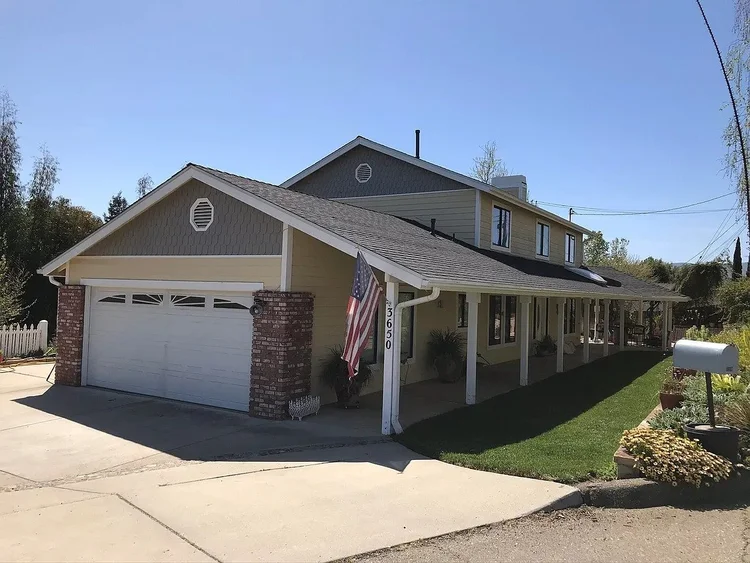
Joe’s seller representation includes 3650 Willow Street in Santa Ynez, which closed in June 2021, and 68 Hickory Way in Solvang, which closed in August 2026. These are historical transactions. Representation roles and dates come from the MLS transaction record; Willow Street also appears in the sales archive.
Joe’s work brings property research, photography, film and clear writing together with preparation, communication and follow-through. The purpose is to help a buyer understand the home while keeping the seller informed about the decisions still ahead.
For a concrete presentation example, the 1570 Mountain View Drive page organizes a Solvang home around its living spaces, kitchen and outdoor setting. Its photographs and room-by-room description help explain how the spaces connect. Seller-reported upgrades are identified for independent verification. That is a useful standard for a home’s presentation: show the features clearly and make the basis for the claims clear. Consult the property page for current status.
Preparation worksheet
Use this before committing to work. Start with the purpose of a task, then its scope, cost and place in the schedule. Leave optional work open until the tradeoffs are understood. This worksheet is for your own use; it does not submit information to Joe.
Property: ____________________ Preferred launch: __________ Move or purchase dependency: ____________________
| Proposed task | Purpose or question | Estimate and timing | Decision and owner |
|---|---|---|---|
| __________________ | __________________ | __________________ | __________________ |
| __________________ | __________________ | __________________ | __________________ |
| __________________ | __________________ | __________________ | __________________ |
| __________________ | __________________ | __________________ | __________________ |
Use a simple decision for each item: investigate, complete before launch, defer or discuss further. A repair, a cosmetic change and a missing record solve different problems; give each its own reason.
Before the home goes live
- ☐ Decision-makers, representation scope and preferred timing are clear.
- ☐ The property file identifies available records and missing items.
- ☐ Known concerns and applicable disclosures have been discussed with the transaction team.
- ☐ Agreed preparation is complete, or outstanding work has a documented plan.
- ☐ Pricing has been discussed using relevant current evidence.
- ☐ Photographs, captions and feature claims have been checked for accuracy and privacy.
- ☐ Showing access, occupants, pets and included items have been addressed.
- ☐ Insurance and any occupancy change have been discussed with the insurance professional.
- ☐ The seller net estimate identifies its assumptions and costs.
- ☐ There is an agreed process for feedback, offers and the next pricing discussion.
Questions sellers often ask
Do I need to remodel before selling?
Not automatically. Start with condition, buyer questions, timing and the relevant competing homes. Obtain estimates and distinguish essential work from optional presentation changes before authorizing a project. No renovation return is guaranteed.
Should I get a pre-listing inspection?
It can help organize preparation and identify uncertainty. Whether it makes sense depends on the home, timing, cost and how findings will be addressed. Discuss the decision with your agent; it does not replace a buyer’s own investigation.
What if I need to buy another home at the same time?
Put the two timelines together early. Discuss financing, sale and purchase dependencies, possession and backup plans with the appropriate professionals. The right sequence depends on the contracts and your circumstances.
A useful first conversation
Bring the address, approximate timing, major improvements, known concerns and any existing property records. It is fine to begin with an incomplete file. The next step is to define what is needed, who will obtain it and which decisions depend on it.
Explore home seller representation or contact Joe. Appointments are available Monday through Friday, 9 AM–5 PM Pacific. For ranches, vineyards and substantial land holdings, see the specialty seller representation page and property resources.
If your plans involve both a purchase and a sale, read the Santa Ynez Valley home buying guide.
About Joe Ramos
Joe represents home buyers and sellers in Santa Ynez, Solvang and Los Olivos, with a practice that also includes ranches, vineyards and land. His background in hospitality and winery operations informs an approach built around preparation, clear communication and attention to the client’s priorities. Read Joe’s brokerage biography.
Joe Ramos · CAL DRE 02040488 · Berkshire Hathaway HomeServices California Properties · Coastal Ranch / Kerry Mormann & Associates.
Sources and preparation
Published by Joe Ramos Real Estate on October 30, 2026. Prepared with AI assistance using the linked official references and documented business and transaction records. Official sources were checked October 30, 2026. Historical examples establish representation and dates; they do not imply a particular negotiation strategy or a promised result.
This is general preparation information. Your contract, property and circumstances determine the next steps. Legal, tax, lending, insurance and technical conclusions belong with the qualified professionals responsible for them.